

PARADISE FARM · HOPE BAY, PORTLAND
02 / THE FARM COMES FIRST

PARADISE FARM · HOPE BAY, PORTLAND
PORTLAND, JAMAICA
Working agricultural property
CURRENT STAGE
Design + phased infrastructure development
DESIGN PRINCIPLE
Build what is needed. Prepare for what may come next.
03 / WHY RESILIENCE MATTERS
FOOD
Reliable energy can help preserve what the farm already produces and support higher-value uses of agricultural products.
CONTINUITY
During outages or severe weather, essential electricity can support lighting, communications, refrigeration and basic property operations.
PRODUCTIVITY
Energy becomes more valuable when it enables the farm to do something it could not efficiently do before.
04 / REQUIREMENTS BEFORE EQUIPMENT
We did not begin LHF by asking how many panels could fit on the roof. We began by understanding what exists, what matters today, and what the property may need to support later.
Electricity use
Existing electrical conditions
Essential loads
Future operating goals
Constructability
Resilience
Expansion
That information determines the system. Not the other way around.
01 Understand
02 Document
03 Engineer
04 Build in phases
05 Verify
06 Measure + improve

05 / ENGINEERING THE BACKBONE
4.68 kW
Solar PV design target
~ 5.9 kW
Hybrid inverter capability at site voltage
10.24 kWh
Initial battery storage design
GENERATOR READY
Additional resilience provision
The current architecture is being developed around essential-load backup, exterior isolation, monitoring, and future expansion.
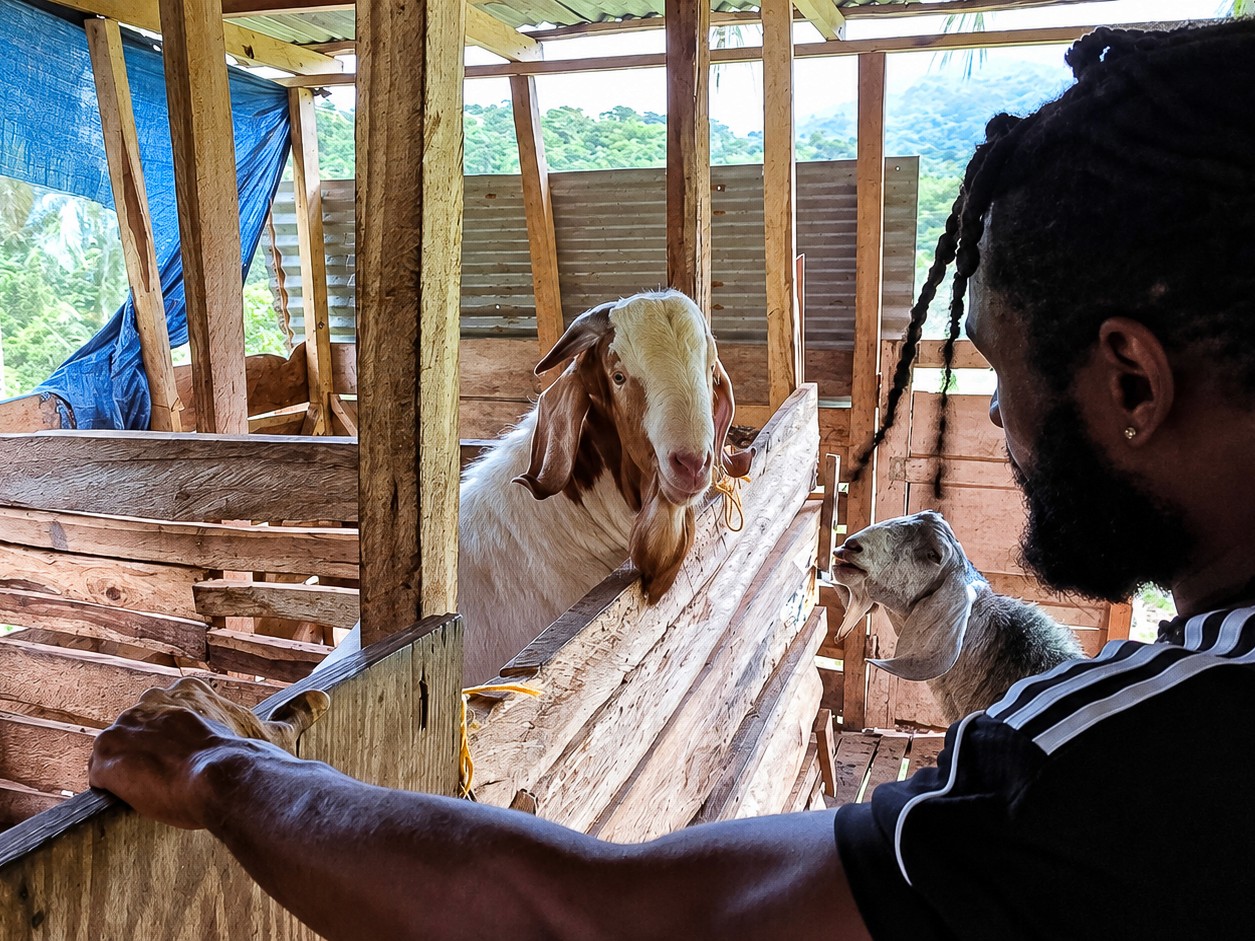
The objective is not maximum equipment. It is maximum usefulness from the infrastructure installed.
06 / DESIGNED IN PHASES
PART I
Understand + Engineer
Document the property. Establish the energy baseline. Identify constraints. Define system architecture. Verify critical assumptions.
IN PROGRESS
PART II
Build + Validate
Complete the resilience core. Introduce storage. Provide generator capability. Improve exterior control and lighting. Commission and monitor.
NEXT
LATER
Productive Energy
Refrigeration, cold storage, food processing, distributed farm loads, education, hospitality, and additional solar or storage.
EVALUATE FROM EVIDENCE
Reliable energy becomes more valuable when it enables production.
LHF already produces food. The longer-term question is where reliable energy can increase the value of that production. Each future opportunity must still earn its place in the plan.

FIELD CONDITIONS · SOLAR ARRAY
07 / A LIVING CASE STUDY
DESIGN
BUILD
COMMISSION
MEASURE
LEARN
IMPROVE
LHF will continue after installation. Performance data, field experience, and future additions will help determine what worked, what should change, and what can responsibly be standardized.
Learn here.
Paradise is also being developed with future WATTS UP Academy training in mind. Where appropriate, the property may provide supervised hands-on exposure to site assessment, electrical fundamentals, installation discipline, QA/QC, commissioning, monitoring, and troubleshooting.
The objective is not simply to teach how equipment is installed. It is to teach why the system was designed the way it was.

FIELD CONDITIONS · SOLAR ARRAY
AFTER DARK
Security when needed. Comfort when wanted.
Capability when normal infrastructure is unavailable.
08 / CLOSING SIGNAL
LHF is one farm. Its exact system will not be right for every property in Jamaica. But the process can travel.
PARADISE FARM
Part I: Designing for Agricultural Resilience
WATTS UP JM
Quality by Design.